
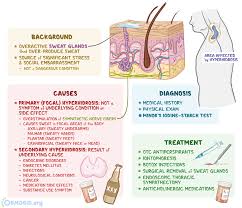
Are you sweating too much? Do you find yourself drenched in sweat during social gatherings or everyday activities? If so, you may be suffering from hyperhidrosis, a condition characterized by excessive sweating. But what causes it, and how can you treat it?
Understanding Hyperhidrosis: A Common Misconception
Hyperhidrosis is often associated with heat and humidity, but it’s more than that. Excessive sweating can be caused by various factors, including emotional stress, medical conditions, and lifestyle habits. In some cases, hyperhidrosis can be a sign of an underlying issue, such as hypothyroidism or menopause.
The Importance of Identifying the Cause
When it comes to treating hyperhidrosis, understanding the root cause is crucial. Is your excessive sweating caused by emotional stress, medical conditions, or lifestyle habits? By identifying the cause, you can develop a more effective treatment plan.
The Many Faces of Hyperhidrosis: A Closer Look
Hyperhidrosis can manifest in different ways, affecting various parts of the body. In some cases, it may be localized to specific areas, such as the hands or feet. Other forms of hyperhidrosis can be more widespread, covering entire limbs or even the face.
The Science Behind Hyperhidrosis: What’s Happening in Your Body
So, what happens when you sweat too much? When your body detects heat, it responds by producing sweat to cool itself down. But what if this response becomes overactive? That’s where hyperhidrosis comes in – a condition characterized by an excessive production of sweat.
The Dangers of Ignoring Hyperhidrosis: Consequences and Complications
If left untreated, hyperhidrosis can lead to discomfort, social embarrassment, and even skin infections. In severe cases, it can cause emotional distress, anxiety, and depression. So, what can you do about it?
Breaking the Stigma: Seeking Help for Hyperhidrosis
Don’t suffer in silence! If you’re experiencing excessive sweating, talk to your doctor or a dermatologist about your concerns. They can help you identify the underlying causes of hyperhidrosis and develop a personalized treatment plan.
The Power of Self-Care: Lifestyle Changes to Help You Manage Hyperhidrosis
In addition to seeking medical attention, there are several lifestyle changes you can make to help manage hyperhidrosis. These include:
- Wearing breathable clothing
- Avoiding triggers like caffeine and spicy foods
- Practicing stress-reducing techniques like meditation or yoga
- Keeping your environment cool and well-ventilated
The Future of Hyperhidrosis Treatment: Emerging Trends and Technologies
Research is ongoing to develop new treatments for hyperhidrosis. Some emerging trends include:
- Iontophoresis therapy, which uses electrical currents to block sweat glands
- Prescription-strength antiperspirants containing aluminum salts
- Behavioral therapies like cognitive-behavioral therapy (CBT) and acceptance and commitment therapy (ACT)
Conclusion: Taking Control of Your Hyperhidrosis
Hyperhidrosis may seem like a daunting condition, but it’s not impossible to manage. By understanding the causes, identifying triggers, and seeking medical attention when needed, you can take control of your hyperhidrosis. Remember, it’s time to break the stigma surrounding this often-misunderstood condition.
Frequently Asked Questions
- What is hyperhidrosis?
Hyperhidrosis is a medical condition characterized by excessive sweating. - Is hyperhidrosis contagious?
No, hyperhidrosis is not contagious. It’s caused by a variety of factors, including genetics, hormonal imbalances, and environmental triggers. - Can I treat hyperhidrosis at home?
While some lifestyle changes can help manage symptoms, it’s often necessary to seek medical attention for proper diagnosis and treatment. - Is there a cure for hyperhidrosis?
There is no known cure for hyperhidrosis. Treatment options focus on managing symptoms and improving quality of life.
Hyperhidrosis affects millions worldwide – don’t let it control your life anymore!
Living with Hyperhidrosis: Personal Stories
Many people have experienced the emotional toll of hyperhidrosis firsthand. Here are a few personal stories:
- “I used to be self-conscious about my sweating, but after seeking treatment, I feel like I can finally live without the weight of it holding me back.” – Sarah
- “Hyperhidrosis has been a challenge for me, especially in social situations. But with the right support and resources, I’m learning to manage my symptoms and thrive despite them.” – John
Getting Support: Connecting with Others
Living with hyperhidrosis can be isolating, but it doesn’t have to be. By connecting with others who understand what you’re going through, you can find comfort, support, and a sense of community.
- Join online forums or social media groups for people with hyperhidrosis
- Attend support groups in your area
- Share your story and connect with others who understand


