
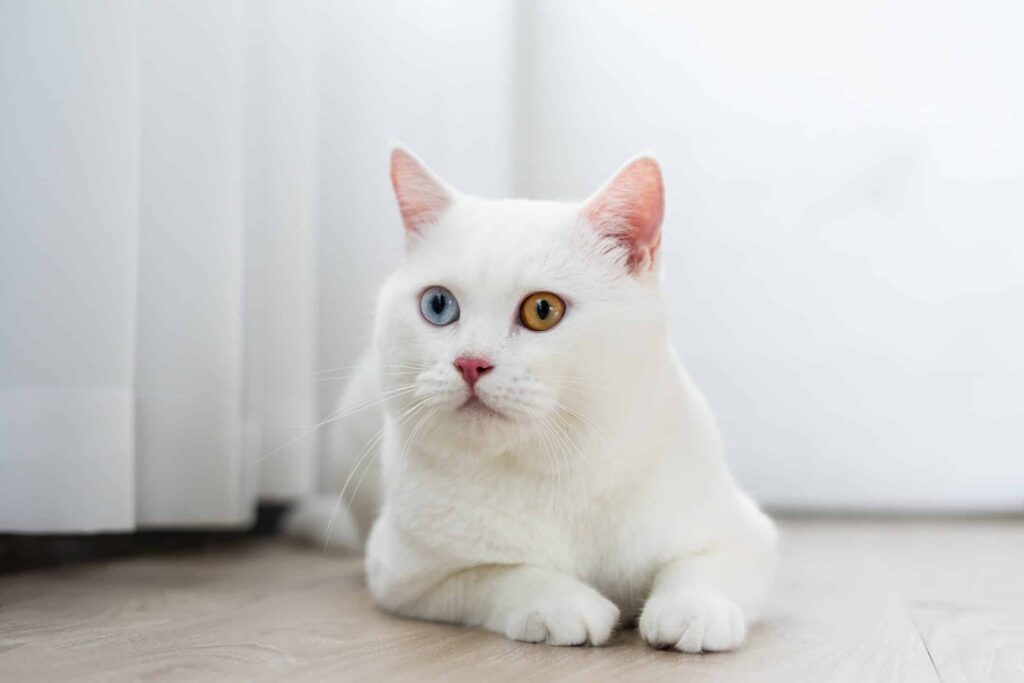
The White Cat: A Symbol of Innocence and Tranquility
As the ancient Chinese philosopher Confucius once said, “It’s not the color of the cat that matters, it’s just that you catch the mouse.” However, many people believe that the color of a cat’s fur can influence its personality or behavior. The white cat, with its striking coat and mysterious nature, has been the subject of much speculation and debate.
The History of White Cats
For centuries, white cats have been associated with various cultures and symbols, often representing innocence, purity, and tranquility. In many societies, white cats are considered lucky or auspicious animals, bringing good fortune and prosperity to those who share their home.
But what about the rumors that white cats are somehow special? Are they truly more affectionate, intelligent, or sensitive than other feline friends? Let’s delve into the world of white cats and explore the myths and realities surrounding these enigmatic creatures.
The Biology of White Cats
So, why do some cats have white fur? The answer lies in genetics. In most cases, a cat’s coat color is determined by the production of melanin, a pigment produced by cells called melanocytes. However, in white cats, the genetic code that controls melanin production is different.
One gene, known as the W gene, plays a crucial role in determining a cat’s coat color. In white cats, this gene is often mutated or deleted, resulting in the absence of melanin and the characteristic white coat. Interestingly, this same gene can also affect a cat’s hearing, leading to some individuals being deaf or hard-of-hearing.
The Myth of the “Lazy” White Cat
One common myth about white cats is that they are naturally more relaxed or laid-back than other felines. While it’s true that many white cats appear calm and serene, this may be due to their genetic predisposition rather than any inherent laziness.
In fact, research suggests that deafness in white cats can lead to a more relaxed demeanor, as the individual is less likely to respond to external stimuli like noise or vibrations. This doesn’t mean they’re not intelligent or capable; it simply means they may react differently to their environment.
White Cat Breeds
There are many breeds of domestic cat that feature white fur, each with its unique characteristics and traits. Some popular breeds include:
- British Shorthair: Known for their sturdy build and short, dense coat, British Shorthairs come in a range of colors, including white.
- Persian: One of the most recognizable breeds, Persians have a long, fluffy coat that comes in a variety of colors, including white.
- American Wirehair: This breed features a unique wire-haired coat that’s often white or cream-colored.
The Genetics of White Cats
As mentioned earlier, the W gene plays a crucial role in determining a cat’s coat color. However, this gene is not the only factor at play. Other genes and genetic variations can also affect a cat’s appearance, including their white fur.
For example, some cats may inherit a mutation that causes them to have white patches on their fur, while others may have a condition known as piebaldism, which results in irregularly colored markings on the body.
The Role of Environment in Shaping White Cat Behavior
While genetics play a significant role in shaping a cat’s appearance, environmental factors can also influence their behavior and personality. For example:
- Socialization: Kittens that are socialized from an early age may be more likely to develop strong bonds with their human caregivers.
- Environmental Enrichment: Providing cats with stimulating toys and environments can help reduce stress and promote a sense of calm.
- Nutrition: A balanced diet that meets a cat’s nutritional needs is essential for maintaining good health and behavior.
The Benefits of Owning a White Cat
While white cats may not be as common as other breeds, they still offer many benefits to their owners. Some advantages include:
- Low Maintenance: White cats are often less demanding than other breeds, requiring less grooming and exercise.
- Affectionate Nature: Many white cats are known for their affectionate nature, making them great companions for those who want a close bond with their pet.
- Unique Appearance: Let’s face it – white cats are just plain cool. Their striking coat makes them stand out from the crowd and add a touch of elegance to any home.
In conclusion, the white cat is more than just a pretty face; it’s a symbol of innocence, tranquility, and uniqueness. While some myths surrounding these enigmatic animals may be true, others are simply the result of speculation and misunderstanding. By understanding the biology and genetics behind white cats, we can gain a deeper appreciation for these fascinating felines.
Frequently Asked Questions
- Are all white cats deaf? No, not all white cats are deaf. While some individuals with this genetic trait may be deaf or hard-of-hearing, others may have normal hearing abilities.
- Why do white cats appear more relaxed? Deafness in white cats can lead to a more relaxed demeanor due to the lack of external stimuli like noise or vibrations.
- Can I train my white cat? Yes, while deafness may affect a cat’s ability to respond to training, many white cats are intelligent and responsive to positive reinforcement techniques.
By answering these questions and exploring the myths and realities surrounding white cats, we can gain a deeper understanding of these fascinating animals and appreciate their unique characteristics. Whether you’re a seasoned cat owner or just starting out, it’s sure to be a wild ride.


