
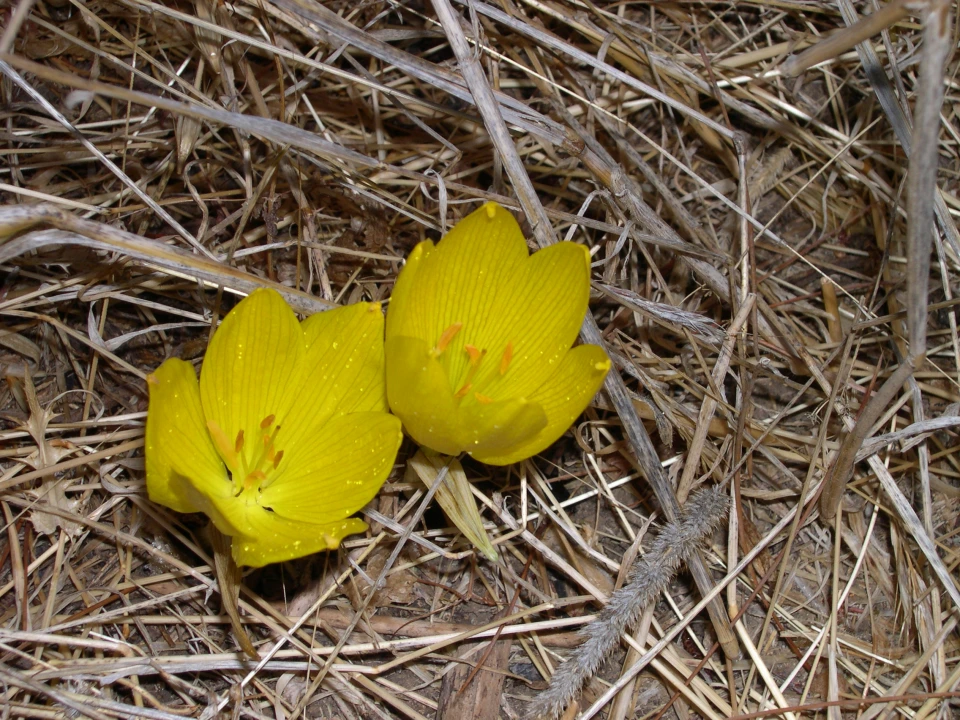
As we bid farewell to the warmth of summer, many of us are left wondering how to bring some color and vibrancy to our gardens and balconies during the autumn months. One plant that can help solve this problem is the Sternbergia, also known as the Zafferanastro. This unique flower boasts beautiful golden-yellow petals that bloom in late autumn, adding a touch of warmth and beauty to any outdoor space.
Characteristics of the Sternbergia
The Sternbergia is a small, bulbous plant that belongs to the Amaryllidaceae family. It has small dimensions and produces bright yellow-gold flowers with six stamens instead of the traditional three found in other crocus varieties. The leaves are green, linear, and have a distinctive sheen, while the bulbs themselves are toxic, making them unsuitable for consumption.
The Sternbergia is often referred to as the “golden crocus” due to its vibrant yellow-gold petals. Its unique appearance sets it apart from other crocus species, making it a popular choice among gardeners and flower enthusiasts. The plant’s small size and delicate appearance make it an ideal choice for adding a touch of elegance to small gardens and balconies.
Using Sternbergia in Your Garden
One of the key things to keep in mind when using the Sternbergia is that its bulbs are highly toxic. Despite this, the plant remains a popular choice for adding autumn color and interest to gardens. To make the most of your Sternbergia, it’s essential to choose healthy, fresh bulbs from reputable suppliers.
The Sternbergia can be used as a standalone ornamental plant or alternated with other bulbs in mixed borders and rock gardens. It also thrives in pots and balconies, making it an ideal choice for small outdoor spaces. To create a stunning display of autumn color, try planting the Sternbergia alongside other bulbs such as tulips, daffodils, or chrysanthemums.
Caring for the Sternbergia
Before planting your Sternbergia, ensure that you have obtained healthy, fresh bulbs from a reputable supplier. Verify that the bulbs are not damaged or rotting before purchasing.
When planting, choose a location with good drainage and permeable soil. Avoid areas prone to waterlogging, as this can lead to fungal infections and bulb rot. Plant the bulbs in late summer or early autumn, when the weather is cooler, for optimal results.
It’s also essential to provide your Sternbergia with adequate sunlight and air circulation. The plant prefers full sun to partial shade, depending on the climate and region you live in. Make sure to leave enough space between each bulb to allow for good air circulation and prevent the spread of disease.
Annafiation and Watering
During the growing season (autumn to spring), maintain a moist but not waterlogged soil. Water your Sternbergia regularly, taking care not to overwater. In contrast, reduce watering during the summer months, allowing the soil to dry slightly between waterings.
To avoid cutting off photosynthesis and preventing bulb development, do not remove the leaves until they have completely dried out from the sun. This will allow your Sternbergia to store energy for next year’s bloom.
Winter Care
To encourage continued flowering in cooler climates, provide your Sternbergia with protection from extreme weather conditions. Cover the plants with a breathable cloth or sheeting during frosty nights and remove them on mild days. If you live in an area with more moderate temperatures, you can leave the plants uncovered but still provide some protection.
In areas with mild winters, you can plant the Sternbergia bulbs outdoors 8-10 weeks before the first frost date. This will allow the bulbs to establish themselves before winter sets in. In colder climates, it’s essential to protect the bulbs from extreme cold and moisture by covering them with a breathable material or mulching around the base of the plants.
Properties of the Zafferanastro
One of the most interesting properties of the Sternbergia is its ability to bloom outside of its traditional flowering season. By protecting the plant from extreme weather conditions and providing it with a warm microclimate, you can encourage it to continue blooming in the months that follow.
The Sternbergia’s unique properties also make it an attractive choice for gardeners interested in growing flowers under glass or in cold frames. By providing the plant with adequate light and warmth, you can enjoy a prolonged flowering period even in areas with short winters.
Propagation of Sternbergia
Propagating Sternbergia is relatively easy and can be done through division or offsets. To propagate through division, wait until the foliage has died back after blooming, then carefully dig up the bulb and separate it into individual sections. Replant each section in a new location, making sure to water well.
Offsetting is another method of propagation that works well for Sternbergia. When the plant produces offsets or “pups,” you can divide them from the mother bulb and replant them in a new location.
Common Problems with Sternbergia
While the Sternbergia is generally a low-maintenance plant, it can be susceptible to certain problems that may affect its growth and flowering. Some common issues include:
- Fungal infections: Keep an eye out for signs of fungal infections such as mold or mildew on the leaves or bulbs.
- Pests: Check your plants regularly for pests like aphids, spider mites, or thrips.
- Bulb rot: Avoid overwatering and ensure good drainage to prevent bulb rot.
Conclusion
The Sternbergia is a unique and beautiful autumn-blooming flower that can add warmth and color to any outdoor space. With proper care and protection, this plant can continue to bloom throughout the cooler months, providing a welcome burst of color in an otherwise dormant landscape.
By following these tips and guidelines, you can enjoy the beauty of the Sternbergia for years to come. Whether you’re a seasoned gardener or just starting out, the Sternbergia is sure to delight with its unique appearance and low-maintenance requirements.
Frequently Asked Questions (FAQs)
- Is the Sternbergia toxic?
Yes, the bulbs of the Sternbergia are highly toxic and should be handled with care. - How do I plant my Sternbergia?
Plant your bulbs in late summer or early autumn in a location with good drainage and permeable soil. - What is the best way to water my Sternbergia?
Water your Sternbergia regularly, taking care not to overwater. Reduce watering during the summer months when the plant is dormant. - How do I protect my Sternbergia from frost?
Cover your Sternbergia with a breathable cloth or sheeting during frosty nights and remove it on mild days. - Can I grow Sternbergia in containers?
Yes, Sternbergia thrives in pots and balconies, making it an ideal choice for small outdoor spaces. - How often should I divide my Sternbergia bulbs?
Divide your bulbs every 3-4 years to maintain their health and encourage continued flowering. - Can I grow Sternbergia indoors?
Yes, with proper care and protection, you can grow Sternbergia indoors during the winter months when temperatures are too low for outdoor growth. - What is the best way to store my Sternbergia bulbs over winter?
Store your bulbs in a cool, dry place, away from direct sunlight, until the following spring when they can be replanted.
By answering these frequently asked questions, you can gain a better understanding of how to care for and grow this unique and beautiful flower.


