
Introduction
In the Mediterranean region, there’s a plant that has been a staple for centuries – the wild rose, or ginestra. Its rustic beauty and fragrant flowers have made it a sought-after addition to many gardens. In this article, we’ll delve into the world of ginestre, exploring its history, types, cultivation methods, and care requirements.
What is Ginestra?
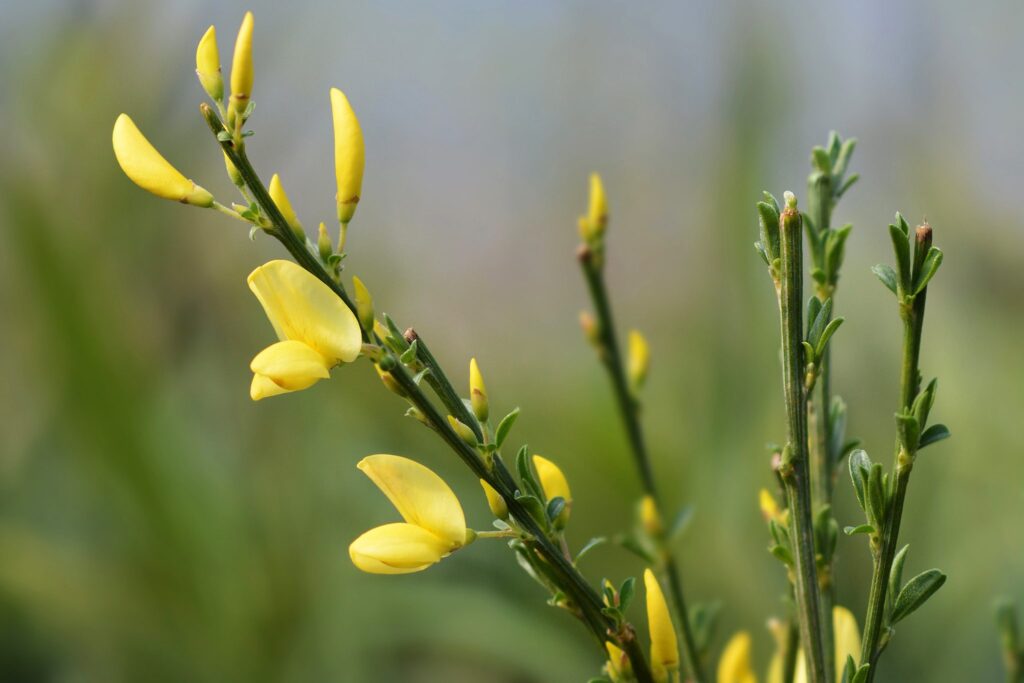
Ginestre are thorny shrubs native to the Mediterranean region, characterized by their golden yellow flowers and ability to thrive in dry conditions. They can be found in natural habitats such as rocky slopes, wastelands, and coastal areas. With proper care, ginestre can be a stunning addition to any garden, adding texture and color to even the most challenging spaces.
Types of Ginestre
There are several species and varieties of ginestre, each with its unique characteristics. Some popular types include:
- Ginestra dei carbonai (Cytisus scoparius): This variety is known for its profuse fragrance and comes in different colors, such as the ‘Boskoop Ruby’ with red flowers.
- Ginestra lydia: Characterized by its dense flowering, this type of ginestre can be quite prickly. It’s ideal for container gardens or walls, where it can thrive in full sun.
- Ginestra odorosa (Spartium junceum): Also known as the Spanish rose or common rose, this variety is prized for its intense fragrance. It prefers well-draining soil and full sun.
Cultivating Ginestre
September is the ideal time to propagate ginestre through stem cutting, while sowing seeds can be done in spring.
Here are some tips for cultivating ginestre:
- When transplanting, handle the roots with care, especially during the initial growth phase.
- Choose a container that’s spacious enough and has good drainage. Ginestre’s roots grow deep, so a deeper pot is better than a shallow one.
- Autumn or early spring are the best times to relocate ginestre from pots to permanent locations.
Pruning Ginestre
For more information on pruning ginestre, check out our dedicated article: Pruning Wild Roses (Ginestre)
Caring for Your Ginestre
To ensure your ginestre thrives, here are some additional care tips:
- Watering: Ginestre are drought-tolerant and don’t require frequent watering. However, during dry periods, they may need some irrigation to prevent wilting.
- Fertilization: Ginestre don’t require frequent fertilization. However, a balanced fertilizer can be applied during the growing season to promote healthy growth.
- Pruning: Prune your ginestre in late winter or early spring to maintain shape and promote new growth.
- Pest control: Regularly inspect your ginestre for signs of pests like aphids, whiteflies, or spider mites. Use organic pest control methods whenever possible.
Propagation Methods
Ginestre can be propagated using stem cuttings, layering, or seed.
Here’s a step-by-step guide to propagating ginestre through stem cutting:
- Choose healthy stems with at least two nodes.
- Cut the stems from the parent plant about 12 inches below a node.
- Remove lower leaves and trim any damaged sections.
- Plant the cuttings in well-draining soil, making sure the node is buried.
- Water thoroughly and provide bright, indirect light.
Common Problems with Ginestre
While ginestre are generally low-maintenance plants, they can be susceptible to certain problems. Here are some common issues and their solutions:
- Drought stress: Ginestre may develop yellowing leaves or wilted stems during dry periods. Increase watering frequency, but avoid overwatering.
- Pests: Regularly inspect your ginestre for signs of pests like aphids, whiteflies, or spider mites. Use organic pest control methods whenever possible.
- Diseases: Ginestre can be susceptible to fungal diseases like leaf spot or root rot. Remove infected leaves and stems, and treat with fungicides as needed.
Conclusion
Ginestre can add a touch of rustic charm to any garden, but they require specific care and attention. By understanding their unique characteristics and needs, you can create a beautiful and thriving wild rose garden that will delight for years to come.
FAQs
- What is the best time to plant ginestre?
- September is ideal for propagation through stem cutting, while spring is better suited for sowing seeds.
- How often should I water my ginestre?
- Ginestre are drought-tolerant and don’t require frequent watering. However, during dry periods, they may need some irrigation to prevent wilting.
- Can ginestre be grown in containers?
- Yes, ginestre can thrive in pots with well-draining soil and full sun.
- How long does it take for a cut piece of ginestre to grow roots?
- It typically takes around 6-7 weeks for the new roots to develop after planting.
- Can I prune my ginestre at any time?
- Pruning is best done during the dormant season, but it can be done lightly during active growth to maintain shape and promote healthy growth.
- How often should I fertilize my ginestre?
- Ginestre don’t require frequent fertilization. However, a balanced fertilizer can be applied during the growing season to promote healthy growth.
- Can ginestre tolerate extreme temperatures?
- Yes, ginestre are adapted to withstand hot summers and cold winters, making them suitable for gardens in USDA zones 6-10.
- How often should I divide my ginestre?
- Divide your ginestre every 3-5 years to maintain their health and vigor.
Additional Resources
For more information on cultivating and caring for wild roses (ginestre), check out these resources:
- National Gardening Association: The National Gardening Association provides a comprehensive guide to growing wild roses, including tips on propagation, care, and common problems.
- The Royal Horticultural Society: The Royal Horticultural Society offers advice on cultivating ginestre in various climates and conditions, as well as information on pests and diseases.
- Local nurseries: Visit local nurseries or gardening stores to learn more about growing wild roses and get personalized advice from experts.


