
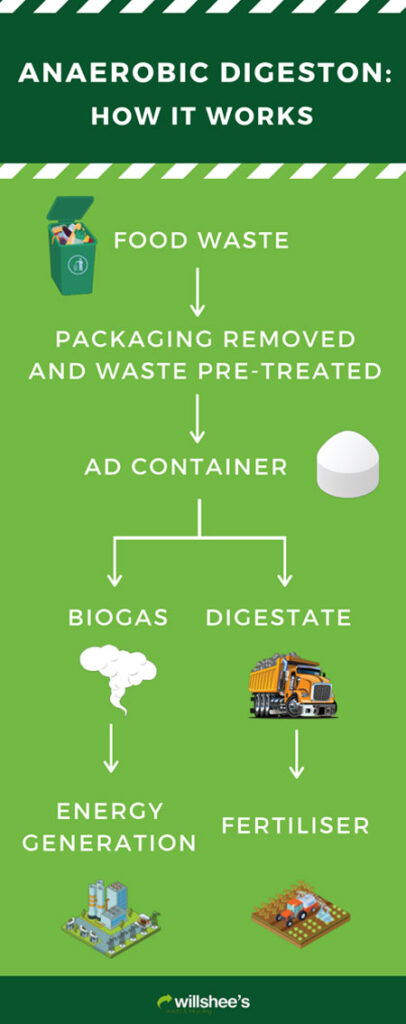
As we navigate the complex web of sustainability, it’s essential to acknowledge the intricate relationships between food waste, energy consumption, and our daily lives. The staggering amounts of produce that spoil on farms or end up in landfills after being processed are more than just an environmental concern; they’re also a financial burden. In this article, we’ll delve into the world of food waste, exploring its consequences on both the environment and our wallets.
The Scale of Food Waste
It’s estimated that 1.5 million tons of edible produce in Italy spoils each year, with this number equivalent to the energy needed to heat 400,000 high-efficiency apartments. To put this into perspective, the University of Bologna has calculated that a mere 3% of Italy’s total energy consumption is attributed to food waste.
This staggering amount of food waste can have significant environmental implications. For instance, if the entire United States were to experience the same level of food waste as Italy, it would require the equivalent energy output of approximately 50 million cars for an entire year. This highlights the significance of addressing food waste and its connection to our reliance on fossil fuels.
The Human Cost
But the effects of food waste go far beyond the environment. It also affects human lives. The World Health Organization (WHO) estimates that one in nine people worldwide suffer from hunger, while another two billion are at risk due to micronutrient deficiencies. Meanwhile, 49 kilograms of food per person are discarded annually by Italian families, often due to overspending or lack of planning.
Food waste also has significant economic implications. In the United States alone, it’s estimated that approximately $161 billion worth of food is wasted each year. This not only represents a financial loss but also perpetuates poverty and inequality. When food is wasted, it means that resources are being squandered, which can have far-reaching consequences for individuals and communities.
The Root Cause: Industrial Agriculture
Industrial agriculture has led to a global food system that prioritizes efficiency over sustainability. The massive scale of industrial farming has resulted in an imbalance between those who have access to nutritious food and those who do not. This concentration of power among a few individuals has led to the concept of “agrarian capitalism,” where the value of food is determined by its market price rather than its nutritional value.
The focus on efficiency over sustainability in industrial agriculture can lead to several issues, including:
- Over-reliance on chemical fertilizers and pesticides: These chemicals often damage soil health and harm beneficial microorganisms.
- Soil degradation: The intensive use of chemical fertilizers can lead to soil erosion and nutrient depletion.
- Loss of biodiversity: Monoculture farming practices can result in a loss of genetic diversity among crops, making them more vulnerable to disease and pests.
- Water pollution: Industrial agriculture is often associated with water pollution due to the runoff of chemicals and fertilizers into waterways.
New Approaches to Food Production
In response to these issues, new approaches to food production are emerging. The concepts of precision agriculture, organic farming, and local production (also known as “Km 0” farming) aim to reduce waste and promote sustainability. Additionally, the valorization of agricultural waste for energy recovery (biomass energy) offers a promising solution.
Precision agriculture involves using advanced technologies such as drones, satellite imaging, and sensors to optimize crop yields and resource allocation. Organic farming focuses on cultivating soil health through natural methods rather than synthetic fertilizers and pesticides. Local production aims to promote the value of local food systems by connecting consumers with farmers in their immediate area.
The Role of Technology
Information technology can play a significant role in reducing food waste and energy consumption. By streamlining production processes and enabling real-time data analysis, tech can help farmers make informed decisions about crop planning and resource allocation. Furthermore, the use of digital platforms for food ordering and delivery can reduce food waste by connecting consumers with local producers.
Some examples of how technology is being used to address food waste include:
- IoT sensors: These sensors can monitor soil moisture levels, temperature, and other environmental factors to optimize crop yields.
- Data analytics: Advanced data analysis tools can help farmers identify trends and patterns in their production data, enabling them to make data-driven decisions about resource allocation.
- Digital platforms: Online platforms can connect consumers with local producers, reducing food waste by ensuring that produce is sold before it spoils.
Breaking Down the Barriers
To effectively address the issue of food waste, we must break down the barriers that prevent individuals from adopting sustainable practices. Education and awareness are key components in this effort, as is addressing socioeconomic inequalities.
Some strategies for breaking down barriers include:
- Educating consumers: By educating consumers about the environmental and social impacts of food waste, we can empower them to make informed choices.
- Addressing socioeconomic inequalities: Food systems must be designed to address issues of poverty and inequality by providing access to nutritious food for all individuals, regardless of their income level.
- Supporting sustainable agriculture practices: Governments and businesses should support sustainable agriculture practices by providing incentives and resources for farmers who adopt these methods.
FAQs
- What is the estimated amount of food waste in Italy?
According to the University of Bologna, 1.5 million tons of edible produce spoil on Italian farms each year. - How does food waste affect human health?
The World Health Organization (WHO) estimates that one in nine people worldwide suffer from hunger, while another two billion are at risk due to micronutrient deficiencies. - What is the connection between industrial agriculture and food waste?
Industrial agriculture’s focus on efficiency over sustainability has led to an imbalance between those who have access to nutritious food and those who do not. - How can technology help reduce food waste?
Information technology can streamline production processes, enable real-time data analysis, and facilitate connections between consumers and local producers. - What are some new approaches to food production that aim to reduce waste?
Precision agriculture, organic farming, local production (Km 0), and valorization of agricultural waste for energy recovery are some of the emerging concepts. - How can individuals make a difference in reducing food waste?
By adopting sustainable practices, such as meal planning, using up leftovers, and supporting local farmers, individuals can contribute to a reduction in food waste. - What role do socioeconomic inequalities play in addressing food waste?
Addressing socioeconomic inequalities is crucial in creating a more equitable food system, where everyone has access to nutritious food. - How can governments support the development of sustainable agriculture practices?
Governments can provide incentives for farmers to adopt sustainable practices, invest in education and awareness programs, and promote policy changes that support local production.
In conclusion, the issue of food waste is a complex one, with far-reaching consequences on both the environment and human lives. By adopting new approaches to food production, leveraging technology, and addressing socioeconomic inequalities, we can work towards creating a more sustainable future where everyone has access to nutritious food.


