
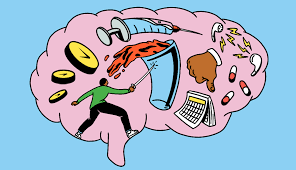
We often focus on our physical health because of fear of causing harm to our bodies, but we are less concerned about the habits that affect our brain. It’s time to ask ourselves if our daily habits are truly good for our brains or if we’re stressing and exhausting them too much. To help us with this important question, we’ve compiled a list of habits that can harm your brain.
What Habits Harm Your Brain?
In general, habits that don’t meet our basic needs or cause unnecessary stress can harm our brain. It’s not just about smoking or overeating; it’s also about things like skipping breakfast or getting too little sleep.
Fisical Habits That Harm Your Brain
Some physical habits may not directly affect your brain but can still have a significant impact on its health. Being healthy is the first rule to follow to help your brain function well and last long.
- Start your day with a balanced breakfast: Include fruits, proteins, sugars, and carbohydrates in your breakfast to provide energy without overloading. This will help you focus throughout the morning.
- Don’t smoke: Smoking reduces oxygen supply to the brain, making it more susceptible to neurodegenerative diseases like Alzheimer’s. Excessive alcohol consumption also harms the liver, heart, and head.
- Moderation is key at mealtimes: Excessive sugar and fat can harden arteries in your brain, weaken your immune system, and disrupt overall health.
Habits That Harm Your Brain: What to Avoid
There are some habits that might not even be aware of but are still exhausting your brain. Let’s explore them:
- Too much stress: Stress is bad for you, but it’s also terrible for your brain. Learn relaxation techniques like deep breathing, meditation, or talking to a friend to manage stress.
- Being too rigid: Constantly pushing yourself can be suffocating and leave no room for relaxation or enjoyment. Allow yourself time to unwind and appreciate the little things in life.
Social Habits That Harm Your Brain
Your social interactions can also have an impact on your brain health. Be mindful of:
- Smartphones: While smartphones have many benefits, they can be a double-edged sword. They can distract you from the world around you and make you less present in conversations. Try to limit your screen time and engage with others in person.
- Social media: Social media can be a source of stress and comparison. Use it mindfully and don’t let it dictate your self-worth.
The Importance of Sleep
Getting enough sleep is one of the most important habits you can adopt for brain health. Lack of sleep can lead to increased risk of chronic diseases, including dementia and Alzheimer’s.
- Establish a bedtime routine: Develop a calming pre-sleep routine that signals your body it’s time to rest.
- Avoid caffeine and electronics before bed: Both can interfere with sleep quality and reduce the amount of restorative sleep you get.
The Benefits of Exercise
Regular exercise is essential for brain health, as it promotes blood flow and helps clear waste from the brain. Aim for at least 30 minutes of moderate-intensity exercise per day.
- Incorporate physical activity into your daily routine: Whether it’s a brisk walk or a home workout, find ways to move your body throughout the day.
- Find activities you enjoy: Exercise should be enjoyable, so try different types of physical activity until you find what works best for you.
The Power of Meditation and Mindfulness
Mindfulness practices like meditation can help reduce stress and improve focus. Try incorporating these techniques into your daily routine:
- Start small: Begin with short periods of meditation or mindfulness practice each day, gradually increasing the duration as you become more comfortable with the practice.
- Find a community: Join a local meditation group or find an online community to support your mindfulness journey.
The Impact of Nutrition on Brain Health
What we eat can have a significant impact on our brain health. Focus on consuming a balanced diet rich in fruits, vegetables, whole grains, and lean protein sources.
- Incorporate omega-3 rich foods: Foods high in omega-3 fatty acids, such as salmon and walnuts, support brain health and reduce inflammation.
- Limit processed and sugary foods: These can negatively impact cognitive function and increase the risk of chronic diseases.
The Benefits of Social Connection
Social connections play a crucial role in maintaining good mental health. Prioritize building and maintaining strong relationships with friends, family, and colleagues.
- Schedule regular social activities: Whether it’s meeting a friend for coffee or joining a club, make time for socializing.
- Practice active listening: Pay attention to others and show empathy and understanding.
By being aware of these habits, you can start making positive changes that promote brain health and well-being.
Frequently Asked Questions
- How can I reduce my stress levels without feeling guilty or anxious?
Try practicing relaxation techniques like deep breathing, meditation, or talking to a friend. - What are some healthy ways to manage my time and avoid burnout?
Prioritize tasks, set realistic goals, and take regular breaks to maintain productivity. - Can I still enjoy social media if it’s affecting my mental health?
Use social media mindfully, setting boundaries around your screen time and avoiding comparison or judgment. - How do I prioritize self-care when life gets busy?
Schedule self-care activities into your daily routine, such as taking a walk or practicing yoga. - What are some signs that I’m experiencing stress-related brain damage, and how can I seek help?
Consult with a healthcare professional if you experience persistent symptoms like memory loss or mood disturbances.
By understanding the habits that harm your brain and making conscious changes to your daily routine, you can improve your overall well-being and live a healthier, happier life.


