
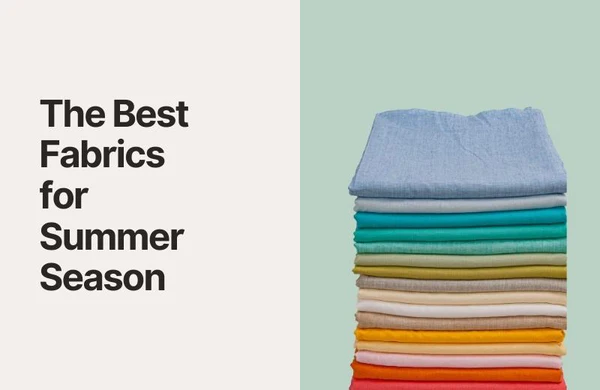
As the temperature drops, we’re all too aware of the importance of staying warm and cozy. But have you ever stopped to think about which fabrics are best suited for the task? From classic wools to high-tech materials like Goretex, there’s a vast array of options available to keep us snug and dry.
What are Warmth Weavers for?
Let’s face it – warmth weavers are essential for braving the cold weather. But did you know that our choice of fabrics can have a significant impact on the environment? With climate change on the rise, it’s more crucial than ever to opt for sustainable and eco-friendly options. So, why not make a conscious effort to choose materials that are gentle on our planet?
What are Warmth Weavers made of?
From natural fibers like wool, alpaca, and cashmere to synthetic fabrics like polyester, there’s an astonishing range of materials available. But not all warmth weavers are created equal – some are far more effective than others in keeping us warm without compromising comfort or style.
The Benefits of Natural Fibers
When it comes to natural fibers, wool is the clear winner. Not only is it incredibly soft and breathable, but it’s also resistant to wrinkles and can be easily cared for. However, not all wools are created equal – look for merino wool, alpaca, or cashmere for the ultimate warmth-boosting experience.
Synthetic Fabrics: The Future of Warmth Weavers?
Synthetic fabrics like polyester have come a long way in recent years. Not only are they more affordable than natural fibers, but they’re also incredibly durable and easy to care for. However, it’s essential to opt for eco-friendly options that meet rigorous sustainability standards.
The Art of Layering: A Key to Staying Warm
When it comes to staying warm, layering is key. By piling on multiple layers of warmth weavers, you can maintain a comfortable temperature even in the chilliest conditions. It’s like wearing a puzzle – each piece contributes to the overall picture, ensuring that you stay cozy and dry.
Top Tips for Staying Warm This Winter
So, how do you stay warm this winter? Here are some expert tips:
- Dress for success: Invest in high-quality warmth weavers that will keep you warm without compromising style.
- Layer it up: Experiment with different layering combinations to find what works best for you.
- Protect your extremities: Don’t forget to cover your head, neck, hands, and feet – these are often the first areas to feel the cold.
- Stay active: Regular exercise can help improve circulation, keeping you warm and energized.
The Boule: A Game-Changer for Warmth
What if we told you that there’s a revolutionary new way to stay warm without breaking the bank? Enter the boule – a small, round container filled with hot water that can be wrapped around your body to provide instant warmth. But don’t just take our word for it – check out these glowing reviews from satisfied customers.
Frequently Asked Questions
Here are some frequently asked questions about warmth weavers:
- What’s the best fabric for staying warm?
The answer depends on personal preference and climate. Natural fibers like wool, alpaca, and cashmere are ideal for cold weather, while synthetic fabrics like polyester may be better suited for milder climates. - How do I layer my warmth weavers for maximum effect?
Experiment with different combinations to find what works best for you. Remember to prioritize your extremities – head, neck, hands, and feet can quickly lose heat in cold conditions. - Are synthetic fabrics eco-friendly?
Not all synthetic fabrics are created equal. Look for options that meet rigorous sustainability standards and opt for natural fibers whenever possible.
The Science Behind Warmth Weavers
But how do warmth weavers actually work? Let’s take a closer look at the science behind these fantastic fabrics:
- Thermal insulation: When it comes to staying warm, thermal insulation is key. Different materials have varying levels of insulating properties – natural fibers like wool are great for this.
- Moisture-wicking: Synthetic fabrics like polyester are incredibly effective at wicking away moisture from the skin. This helps to keep you dry and comfortable in cold conditions.
- Breathability: Breathability is crucial when it comes to staying warm. Look for materials that allow moisture to escape while keeping the cold air out.
Eco-Friendly Warmth Weavers
As we’ve discussed, choosing eco-friendly warmth weavers is more important than ever. But what exactly does this mean? Here’s a closer look at some of the most sustainable options available:
- Recycled polyester: Made from post-consumer plastic waste, recycled polyester is a game-changer for environmentally-conscious consumers.
- Organic cotton: Organic cotton is grown without toxic pesticides or synthetic fertilizers – it’s a great choice for those who prioritize sustainability.
- Merino wool: Merino wool is harvested from sheep using sustainable farming practices. Look for certifications like the Responsible Wool Standard (RWS) to ensure that your warmth weavers are truly eco-friendly.
Conclusion
Staying warm this winter doesn’t have to be a challenge. By choosing the right warmth weavers, layering effectively, and protecting your extremities, you can brave even the chilliest conditions with confidence. And don’t forget about innovative products like the boule – there’s a whole world of warming wonders waiting to be explored!


